What to Pack for 14 Days in Europe — The Gear That Actually Helped
Planning a 14 day Europe trip? Here's the exact gear I packed — power bank, packing cubes, travel adapter and more. What worked, what I'd skip, and what I'd never travel without again.
5/11/20268 min read
"I have independently tried and tested everything recommended. As an Amazon Associate I earn from qualifying purchases."
Planning what to pack for 14 days in Europe is one of those things that sounds straightforward until you're actually doing it. Two weeks means multiple cities, multiple climates, and multiple types of accommodation — all with one bag that needs to work for all of it.
I just got back from a 14 day Europe trip and this is the honest breakdown of what I packed, what genuinely earned its place, and what I'd do differently next time. Every product I recommend is something I actually used and would pack again.
My Top Pick: Power Bank - INIU 20000mAh
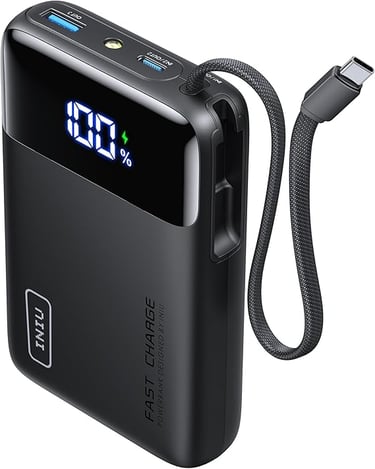
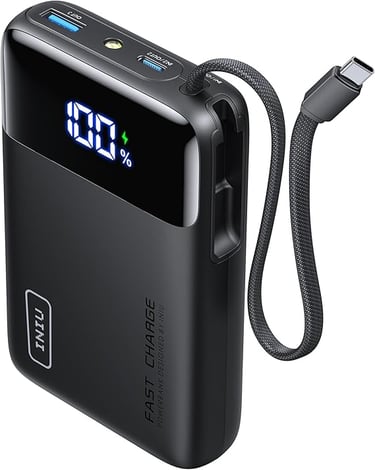
The one thing that saved me every single day: INIU 20000mAh Power Bank Between boarding passes, Google Maps, photos, and calls home — my phone was in constant rotation off this one power bank. If you're heading to Europe for two weeks this is the single most useful thing you can pack.
The Gear That Actually Made a Difference
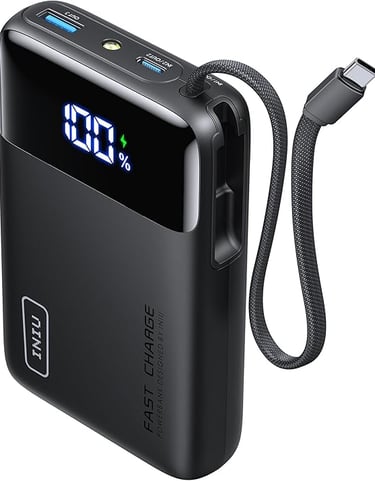
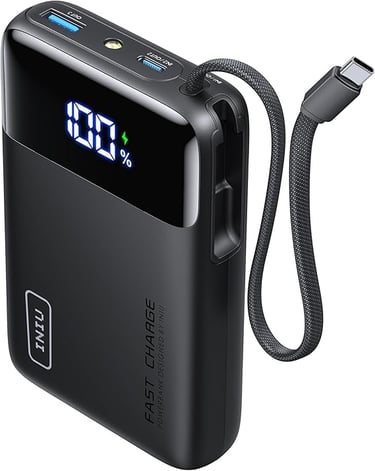
1. Power Bank - INIU 20000mAh
This was the MVP of the entire trip without question. The INIU 20000mAh can charge an iPhone 3.6 times, a Samsung Galaxy 3 times, or an iPad Mini 2 times from a single charge — one reliable power source that kept everything going all day without hunting for outlets.
The thing nobody tells you about long Europe trips is how hard your phone works. Boarding passes at the gate, Google Maps navigating unfamiliar cities, photos constantly, calls home. By the end of long travel days the battery is always critical. Having a power bank that could charge multiple devices simultaneously meant I was never stuck.
What I like about it:
20000mAh capacity — enough to charge an iPhone five times or an iPad Pro twice
Charges up to 3 devices at once
Digital display shows exactly how much charge is left
45W output means fast charging, not slow trickle charging
Compact enough to sit in a day bag without taking over
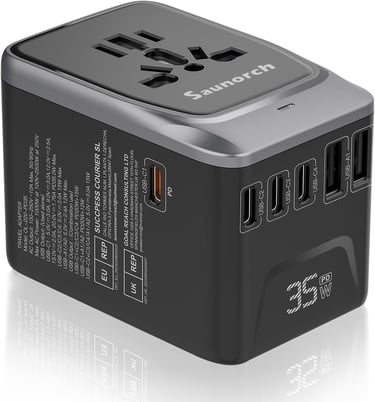
2. Universal Travel Adapter — SAUNORCH
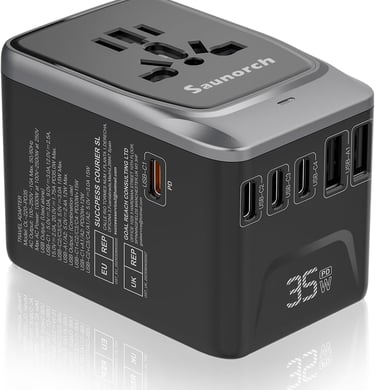
Europe doesn't use a single plug standard and if you're crossing between the UK and mainland Europe on the same trip you need one adapter that covers both without swapping. The SAUNORCH handled every country without any issues.
The multiple USB ports were the real game changer. One adapter in one socket charging multiple devices simultaneously. No swapping cables every hour. Just everything charging at once.
What I like about it:
Works across 150+ countries including all of Europe and the UK
3 USB-A ports and 1 USB-C port — charges up to 5 devices from one socket
Compact enough to sit in a side pocket of any bag
Built-in safety shutters and 10A fuse — not a cheap knockoff
FCC, CE and RoHS certified
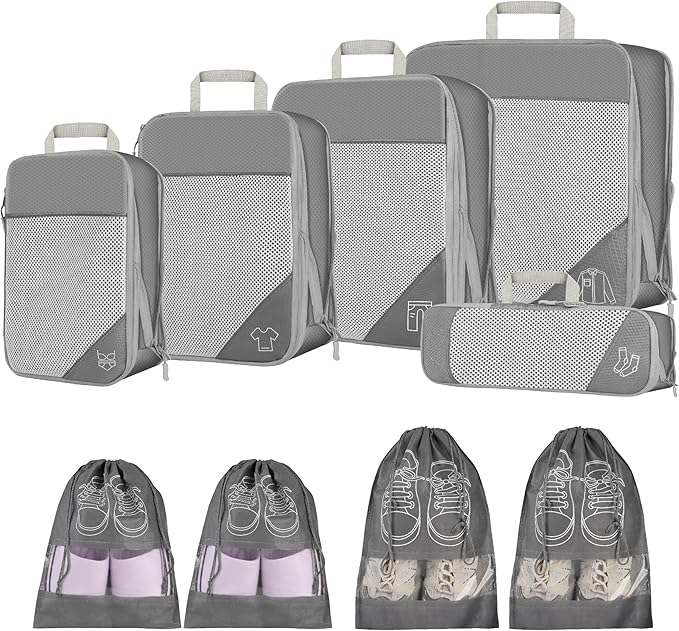
3. Compression Packing Cubes
I've written about packing cubes before but 14 days across multiple cities really hammered home why they matter. When you're moving hotels every two or three days the chaos of an unpacked bag makes every morning slower than it needs to be. With cubes, everything had a place and repacking took minutes instead of the usual frantic search for things buried at the bottom.
By the end of the trip I genuinely couldn't imagine doing a two week Europe trip without them.
What I like about it:
Everything stays separated and organised across multiple hotel changes
Repacking between hotels takes half the time
Compression cubes reduce bulk significantly for longer trips
Makes going through security faster — everything organised and easy to identify
Converts a chaotic suitcase into something that actually makes sense
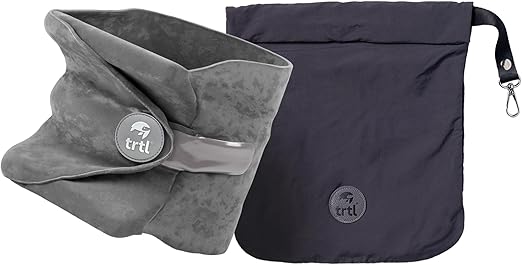
4. Neck Pillow
Long haul flights are brutal. The difference between arriving in Europe having actually slept versus arriving stiff-necked and miserable sets the tone for the first two days of your trip. This is one of those items that feels unnecessary to pack and essential by hour four of the flight.
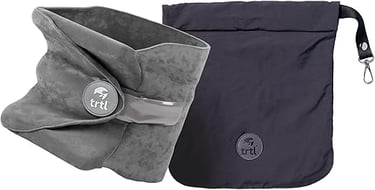
What I like about it:
Proper support — not one of those flat U-shapes that does nothing
Compresses down small enough to clip to the outside of a bag
Machine washable
Works on planes, trains, and long coach transfers between cities
5. Noise Cancelling Headphones - Airpods Pro
Airports are loud. Budget airline cabins are louder. Overnight layovers in fluorescent-lit terminals are a special kind of miserable without something blocking the noise. The AirPods Pro noise cancellation on a Ryanair flight is genuinely transformative — you go from engine roar to something approaching quiet in one tap.
Having your own audio bubble on long transit days makes the whole experience significantly more bearable. It's the difference between arriving drained and arriving ready to actually enjoy the trip.


What I like about it:
Noise cancellation is genuinely excellent — not just marketing
Transparency mode useful in airports when you need to hear announcements
Small enough to forget they're in your bag
Work with in-flight entertainment via AirFly adapter
Battery life easily covers long haul flights
6. Microfibre Quick Dry Travel Towel
Hotel towels are fine when hotels provide them. But budget accommodation in Europe — hostels, Airbnbs, some smaller guesthouses — often doesn't include towels or charges extra for them. Over 14 days across multiple places this came up more than once. A compact microfibre towel takes up almost no space and dries in an hour which is essential when you're moving on every couple of days.
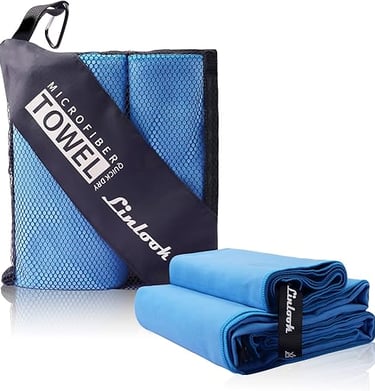
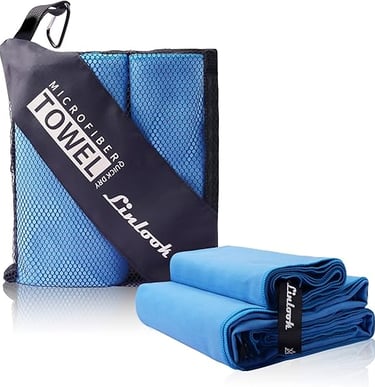
What I like about it:
Dries in under an hour — essential for frequent hotel changes
Compresses to almost nothing in a bag
Lightweight — doesn't add meaningful weight to your luggage
Works as a beach towel, gym towel, and picnic blanket too

The Non-Product Things That Made Just as Much Difference
Not everything that helped cost money. A few habits made the trip significantly smoother:
Wet wipes and hand sanitiser - Small, light, and used more than almost anything else on the trip. Every surface you touch in airports, on trains, in restaurants — hand sanitiser became the most reached-for item in the day bag within 24 hours of landing. Wet wipes are just as useful — freshening up on a long overnight train, cleaning up before eating street food, wiping down your seat on a budget airline. Pack more than you think you need.
Snacks from home/Previous Stay - Airport food is expensive and limited during long layovers. Packing nuts, protein bars, and dried fruit from previous stay had saved me from overpriced airport sandwiches on a 4 hour layover. It sounds small but when you're tired and hungry between flights the last thing you want is to pay €15 for a sad airport sandwich.
Offline downloads before every flight - Before each flight I made sure to have Google Maps downloaded offline for the next destination, Netflix episodes downloaded, Spotify playlists available without signal, and all booking confirmations saved to Apple Wallet and Google Pay. Not having to hunt for WiFi the moment you land in a new city removes a surprising amount of stress. Do this at home the night before — not on dodgy airport WiFi at the gate.
Hoodie or light jacket in carry-on - Planes and airports get cold fast — particularly overnight layovers and early morning flights. Having a layer accessible without opening your main bag is the kind of simple thing that makes a long travel day noticeably more comfortable. Keep it in the top of your personal item bag so it's reachable without unpacking anything.
🧳Best Packing Cubes for Europe The exact cubes I used on this trip and why they made a bigger difference than I expected. Read the post →
What I'd Do Differently Next Time
Every trip teaches you something. Here's what I'd change:
Pack even lighter. Two weeks sounds like you need to bring everything. You don't. I still came home with things I never touched. With a proper packing cube system and a disciplined packing list, 14 days in Europe is genuinely achievable carry-on only — which saves you checked bag fees, baggage claim queues, and the anxiety of a bag getting lost.
Bring a portable door lock. Staying in Airbnbs and budget accommodation across multiple cities, a small portable door lock adds a layer of security that makes sleeping in an unfamiliar place much easier.
Download entertainment before leaving home, not at the airport. I scrambled to download Netflix episodes on dodgy airport WiFi before one flight. Do this at home the night before and save yourself the stress.
🔌Essential Travel Gadgets for Europe The full breakdown of every piece of tech I'd pack for any Europe trip — beyond just the power bank. Read the post →
Frequently Asked Questions
What should I pack for 14 days in Europe?
The essentials are a high-capacity power bank, universal travel adapter with multiple USB ports, packing cubes to stay organised across multiple cities, and noise cancelling headphones for long flights. Beyond gear, download offline maps and entertainment before you fly and keep your most used items in an easily accessible pocket.
How do you keep your devices charged while travelling Europe for two weeks?
A power bank with multiple output ports combined with a universal adapter that has built-in USB slots means you can charge everything simultaneously from one socket. The INIU 20000mAh and SAUNORCH adapter combination covered everything I needed for an entire 14 day trip.
Are packing cubes worth it for a two week Europe trip?
Absolutely — the longer the trip the more valuable they become. Moving between cities every few days without packing cubes means repacking chaos every morning. With them, everything has a place and the whole process takes minutes.
What's the best power bank for Europe travel?
A high-capacity bank that can charge multiple devices simultaneously is essential for any long Europe trip. The INIU 20000mAh has enough capacity to get through a full travel day multiple times over and charges everything from one unit at once.
Do you need a travel adapter for Europe?
Yes — Australia uses Type I plugs which don't fit European sockets. You need a universal adapter that covers both mainland Europe (Type C) and the UK (Type G) if you're visiting both on the same trip.
Should I download maps offline before travelling to Europe?
Yes — always. Download Google Maps offline for every destination before you board. European airports and city centres often have patchy signal and not having to rely on data or WiFi when you first arrive makes navigating a new city significantly less stressful.
Is a microfibre towel worth packing for Europe?
Yes if you're staying in any budget accommodation. Hostels, many Airbnbs, and smaller guesthouses across Europe either don't provide towels or charge extra for them. A microfibre towel compresses to almost nothing and dries in under an hour — essential when you're moving cities every couple of days.
🔋 The one thing I'd tell every Europe traveller to pack first The INIU 20000mAh power bank kept my phone running all day across 14 days in Europe. It's the single item I'd never travel without again.
Still planning your Europe trip?
Start with what makes the journey easier — not more complicated.
Contact
Subscribe
hello@europeunpacked.com
© 2026. All rights reserved.
This page may include affiliate links — at no cost to you.